
The Truth About “Starvation Mode”: Can Eating Too Little Actually Slow Your Weight Loss?
The Truth About “Starvation Mode”
Have you ever heard someone say, “I’m not losing weight because my body is in starvation mode”?
It’s one of the most common explanations people give when the scale refuses to budge. While there’s some truth behind the idea, the reality is far more nuanced—and understanding it can help you lose weight more effectively.
Let’s separate fact from fiction.

What Is “Starvation Mode”?
The term starvation mode isn’t an official medical diagnosis. Instead, it refers to your body’s natural response to prolonged calorie restriction.
Your body is designed to protect you. When it senses that food is consistently scarce, it begins conserving energy to help you survive. This process is known as metabolic adaptation or adaptive thermogenesis.
In other words, your body becomes more efficient, requiring fewer calories to perform the same daily functions.
However, this doesn’t mean your body completely stops losing weight.
Myth: Eating Too Little Prevents Fat Loss
One of the biggest myths is that eating very little causes your body to store fat instead of burning it.
The truth is:
If you’re consistently eating fewer calories than your body uses, you will lose weight over time.
However, eating too little can slow the rate of weight loss and make it much harder to maintain healthy habits.
That’s because severe calorie restriction often leads to:
- Increased fatigue
- Reduced daily movement
- Loss of lean muscle
- Increased hunger hormones
- Lower workout performance
- Higher stress hormone levels
- Difficulty sticking with your plan
These factors can make progress feel frustrating, even though your body is still burning stored energy.
Why Weight Loss Sometimes Slows
Many people expect to lose weight at the same pace forever.
In reality, your body changes as you lose weight.
As your weight decreases:
- Your body requires fewer calories.
- You’re carrying less weight during daily activities.
- Your metabolism naturally adjusts.
- Hormones that regulate hunger may increase.
This is completely normal and happens during nearly every successful weight-loss journey.
A slower pace doesn’t necessarily mean your program has stopped working.
Are You Eating Too Little?
Ironically, some people trying to lose weight aren’t eating enough.
Common signs include:
- Constant exhaustion
- Feeling cold frequently
- Hair thinning
- Poor workout recovery
- Loss of strength
- Persistent cravings
- Difficulty concentrating
- Weight-loss plateau despite strict dieting
If you’re experiencing several of these symptoms, it may be time to review your nutrition rather than simply cutting more calories.
Why Protein Matters
When calories are reduced, your body can lose both fat and muscle.
Maintaining adequate protein intake helps:
- Preserve lean muscle
- Support metabolism
- Keep you feeling full longer
- Improve recovery
- Maintain strength during weight loss
At Slim180, we encourage clients to prioritize protein at every meal because protecting muscle helps support long-term success.
Don’t Forget Strength Training
Cardio burns calories, but strength training helps preserve the muscle your metabolism depends on.
Even two or three resistance-training sessions each week can:
- Improve body composition
- Increase strength
- Support healthy metabolism
- Reduce muscle loss while dieting
- Improve long-term weight maintenance
Sleep and Stress Play a Bigger Role Than You Think
Poor sleep and chronic stress can make weight loss feel much more difficult.
High stress levels may increase cravings, reduce energy, and make healthy choices harder to maintain. Lack of quality sleep can also affect hormones that regulate hunger and fullness.
Supporting your overall wellness—not just your calorie intake—can make a meaningful difference.
Medical Weight Loss Isn’t Just About Eating Less
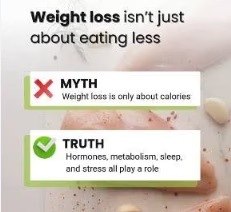
Many people assume successful weight loss is simply a matter of eating fewer calories.
In reality, long-term success depends on:
- Balanced nutrition
- Adequate protein
- Healthy activity
- Stress management
- Quality sleep
- Consistency
- Accountability
For some individuals, medications such as semaglutide or tirzepatide can also help reduce appetite and “food noise,” making it easier to follow a healthy eating plan. These medications work best when paired with lifestyle changes rather than replacing them.
How Slim180 Helps You Avoid Weight-Loss Plateaus
At Slim180 Weight Loss, we don’t believe in crash diets or extreme calorie restriction.
Instead, we help clients:
- Eat enough to support healthy fat loss
- Preserve lean muscle
- Build sustainable habits
- Personalize nutrition plans
- Navigate plateaus with coaching and accountability
- Use medical weight-loss treatments appropriately when indicated
- Create long-term success—not temporary results
Our goal isn’t simply to help you lose weight.
It’s to help you build a healthier relationship with food and create habits you can maintain for life.
The Bottom Line
“Starvation mode” isn’t an excuse for why weight loss stops—but your body does adapt to prolonged calorie restriction.
The answer usually isn’t to eat less.
Instead, focus on nourishing your body with adequate protein, staying active, managing stress, getting enough sleep, and following a sustainable plan that fits your lifestyle.
Healthy weight loss is about working with your body—not against it.
If you’ve hit a plateau or aren’t sure what’s holding you back, the experienced coaches at Slim180 Weight Loss & Wellness are here to help. Together, we’ll create a personalized plan that supports lasting results and helps you feel your best.
Frequently Asked Questions
Is starvation mode real?
While “starvation mode” isn’t a medical diagnosis, your body can adapt to prolonged calorie restriction by conserving energy. This process is called metabolic adaptation.
Can eating too little stop weight loss completely?
No. A calorie deficit still leads to weight loss, but severe restriction can slow progress, increase muscle loss, and make maintaining healthy habits more difficult.
How can I protect my metabolism while losing weight?
Eat adequate protein, include resistance training, get quality sleep, manage stress, and avoid overly restrictive diets whenever possible.
Can semaglutide or tirzepatide prevent starvation mode?
These medications help reduce appetite and support weight loss, but they don’t eliminate the body’s normal metabolic adaptations. They work best alongside balanced nutrition, physical activity, and ongoing coaching.
Ready to lose weight without crash dieting?
Schedule your FREE Slim180 consultation today and discover a personalized plan designed to help you lose weight safely, preserve muscle, and build healthy habits that last.
