
The Grocery Store Weight Loss Guide: What to Buy (and What to Skip)

Walking into the grocery store with good intentions is easy. Walking out with foods that truly support your weight-loss goals is another story.
Bright packaging, “healthy” marketing claims, and endless choices can make shopping overwhelming. The good news? You don’t need expensive diet foods or trendy supplements to lose weight. You simply need to know what belongs in your cart—and what should stay on the shelf.
At Slim180 Weight Loss, we teach clients how to make smarter grocery choices that support long-term success. Here’s your aisle-by-aisle guide to shopping like a weight-loss coach.
Start With a Plan
Never grocery shop when you’re hungry or without a list.
Before leaving home:
- Plan 3–5 dinners.
- Make a shopping list.
- Eat a healthy snack if you’re hungry.
- Stick to the perimeter of the store first.
Planning ahead helps reduce impulse purchases and saves both money and calories.
Produce Department
Fill Your Cart With
✅ Leafy greens
- Spinach
- Romaine
- Mixed greens
- Kale
✅ Non-starchy vegetables
- Broccoli
- Cauliflower
- Green beans
- Bell peppers
- Cucumbers
- Zucchini
- Asparagus
- Brussels sprouts
✅ Lower-sugar fruits
- Berries
- Apples
- Oranges
- Grapefruit
- Kiwi
These foods are naturally high in fiber, vitamins, minerals, and water, helping you stay full while keeping calories lower.
Buy Less Often
- Fruit juices
- Dried fruit
- Large fruit trays
- Candied fruit
Even natural sugars can add up quickly when portions become large.
Meat & Seafood
Best Choices
Choose lean proteins whenever possible.
Excellent options include:
- Chicken breast
- Turkey breast
- Lean ground turkey
- Lean ground beef (90% or leaner)
- Pork tenderloin
- Tuna
- Salmon
- Shrimp
- Tilapia
- Cod
- Eggs
- Egg whites
Protein helps preserve muscle while losing fat and keeps you feeling satisfied longer.
Limit
- Breaded meats
- Processed chicken patties
- Bacon
- Regular sausage
- Heavily marinated meats with added sugar
Dairy Section
Look for foods high in protein and lower in added sugar.
Great Choices
- Plain Greek yogurt
- Cottage cheese
- Light string cheese
- Reduced-fat cheese
- Unsweetened almond milk
- Fairlife® milk
- High-protein yogurt drinks
Skip or Limit
- Flavored yogurts with added sugar
- Coffee creamers loaded with sugar
- Ice cream
- Sweetened milk drinks
Frozen Foods
Frozen vegetables are one of the best values in the grocery store.
Choose:
- Frozen broccoli
- Mixed vegetables
- Cauliflower rice
- Green beans
- Stir-fry vegetables
- Frozen berries
Avoid products covered in butter, cheese sauce, or sugary glazes.
Pantry Staples
Keep these foods stocked.
Healthy Carbohydrates
- Old-fashioned oats
- Brown rice
- Quinoa
- High-fiber tortillas
- Beans
- Lentils
Healthy Fats
- Natural peanut butter
- Almond butter
- Olive oil
- Avocados
- Nuts
- Seeds
Smart Extras
- Salsa
- Mustard
- Vinegar
- Low-sugar marinades
- Herbs
- Spices
Flavor doesn’t have to come from sugar.
Snack Aisle
This is where many healthy eating plans fall apart.
Instead of chips and cookies, choose:
- Beef jerky (lower sodium)
- Roasted edamame
- Protein bars with low added sugar
- Mixed nuts (portion controlled)
- Popcorn
- Rice cakes
- Tuna packets
- Protein chips
Remember: Even healthier snacks still contain calories. Portion size matters.
Beverage Aisle
Many people drink hundreds of calories each day without realizing it.
Choose:
- Water
- Sparkling water
- Unsweetened tea
- Black coffee
- Zero-sugar flavored water
Limit:
- Soda
- Sweet tea
- Energy drinks with sugar
- Juice
- Specialty coffee drinks
- Sports drinks
The Biggest Nutrition Label Mistakes
Food packaging can be misleading.
Ignore the front of the package.
Instead, flip it over and check:
1. Serving Size
Many packages contain two or three servings—even if they look like one.
2. Protein
Aim for foods that provide a good source of protein to help keep you full.
3. Fiber
Higher-fiber foods promote fullness and support digestive health.
4. Added Sugar
Less is usually better.
Many “healthy” foods contain surprising amounts of added sugar.
5. Ingredients
Generally, shorter ingredient lists with recognizable foods are easier to understand.
Watch Out for These Marketing Buzzwords
These labels don’t automatically mean a product supports weight loss:
- Organic
- Natural
- Gluten-Free
- Fat-Free
- Low-Fat
- Multigrain
- Made With Whole Grains
- Keto-Friendly
Always read the Nutrition Facts label instead of relying on marketing claims.
Slim180’s Grocery Shopping Checklist
Before a food goes into your cart, ask yourself:
- ✔ Does it contain protein?
- ✔ Will it keep me full?
- ✔ Is it minimally processed?
- ✔ Would I feel good eating this regularly?
- ✔ Does it support my long-term goals?
If the answer is yes, it’s probably a smart choice.
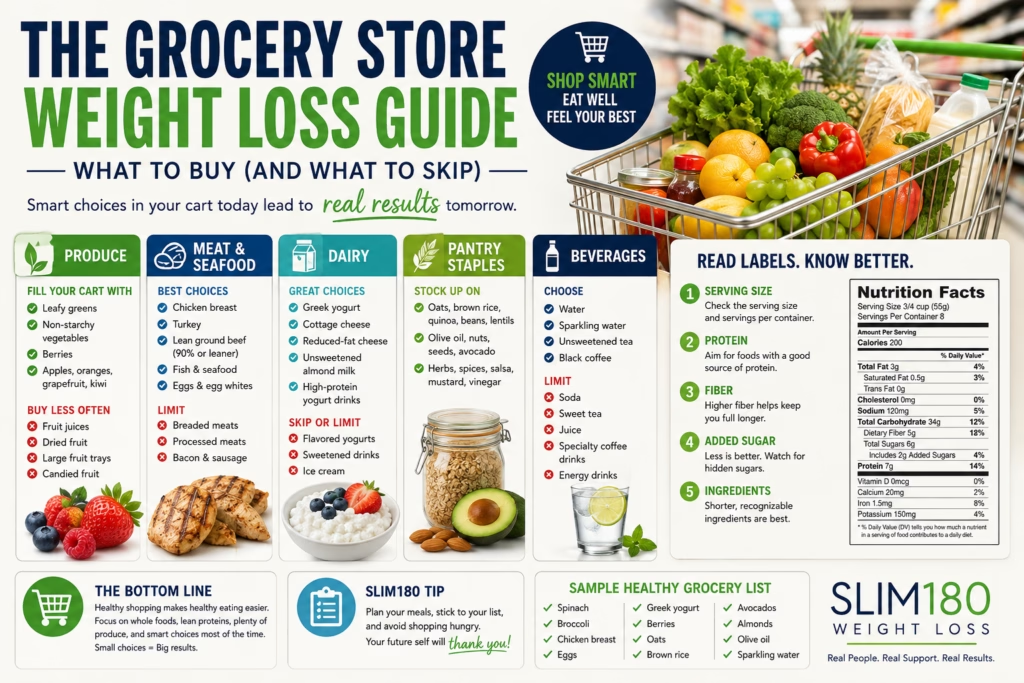
Sample Healthy Grocery List
Produce
- Spinach
- Broccoli
- Bell peppers
- Cucumbers
- Green beans
- Berries
- Apples
Protein
- Chicken breast
- Eggs
- Greek yogurt
- Cottage cheese
- Tuna
- Lean turkey
Healthy Carbs
- Oats
- Brown rice
- Sweet potatoes
- Beans
Healthy Fats
- Olive oil
- Almonds
- Natural peanut butter
- Avocados
Drinks
- Water
- Sparkling water
- Unsweetened tea
The Bottom Line
Successful weight loss doesn’t begin when you cook dinner—it begins when you fill your grocery cart.
Stocking your kitchen with nutritious, satisfying foods makes healthy choices easier throughout the week. Small decisions at the grocery store can add up to big results over time.
If you’re not sure which foods are best for your goals, the coaches at Slim180 Weight Loss can help you create a personalized nutrition plan that fits your lifestyle, whether you’re just getting started or using GLP-1 medications like semaglutide or tirzepatide as part of your journey.
Ready to simplify healthy eating? Schedule your FREE consultation with Slim180 Weight Loss today and let us help you build a grocery plan that works for real life.
