
The Weight Loss Timeline: What to Expect Week-by-Week
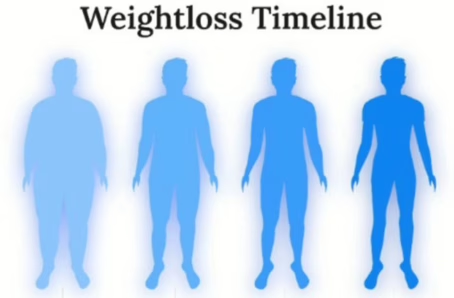
One of the biggest frustrations people experience during weight loss is not knowing what progress should actually look like.
Many people start a program expecting the scale to drop quickly every week. But in reality, weight loss follows a timeline, and your body moves through predictable stages as it adjusts to healthier habits.
Understanding what to expect week-by-week can help you stay motivated and confident as your body transforms.
Week 1–2: The Reset Phase
The first couple of weeks often bring noticeable changes.
Many people experience:
- initial weight loss
- reduced bloating
- increased energy
- improved digestion
Part of this early progress comes from your body reducing water retention and inflammation as you begin eating healthier foods and balancing blood sugar.
This stage can feel exciting because the scale often moves quickly.
However, it’s important to remember that sustainable fat loss takes time, and the next phases are where real metabolic change happens.
Week 3–4: The Metabolism Adjustment Phase
Around weeks three and four, your body begins adapting to your new routine.
During this stage you may notice:
- slower scale changes
- improved appetite control
- more stable energy levels
- improved hunger regulation
Your body is learning to use energy more efficiently, which is an important part of long-term weight loss success.
This is also when habits begin forming, making your new lifestyle feel more natural.
Week 5–8: The Fat-Loss Phase
Between weeks five and eight, many people begin seeing more consistent fat loss.
During this phase you may notice:
- clothes fitting differently
- body measurements decreasing
- increased confidence
- improved stamina and endurance
Even if the scale does not move every week, body composition changes are often happening behind the scenes.
This is where accountability, coaching, and structure can make a huge difference in maintaining momentum.
Week 9–12: The Plateau & Breakthrough Phase
Around this time, some people experience a temporary plateau.
This happens because your body naturally tries to maintain balance as it adapts to weight loss.
Common experiences during this phase include:
- slower progress on the scale
- fluctuating weight
- feeling like progress has stalled
The key is not to panic.
Plateaus are a normal part of the weight loss timeline and can often be resolved with small adjustments to nutrition, activity levels, or metabolic support.
At Slim180 Weight Loss, clients receive personalized guidance to help break through these plateaus and continue progressing.
Months 3–6: The Transformation Phase
This is when many people begin to see significant lifestyle transformation.
During this stage clients often experience:
- steady fat loss
- stronger habits
- improved metabolic health
- increased confidence and motivation
Weight loss becomes less about dieting and more about maintaining a healthier lifestyle.
Why Weight Loss Progress Looks Different for Everyone
Every body responds differently to weight loss.
Factors that influence your timeline include:
- metabolism
- hormones
- sleep quality
- stress levels
- nutritional habits
- activity levels
This is why personalized guidance is so important.
Programs like those offered at Slim180 Weight Loss focus on creating individualized plans that support your body’s unique needs throughout every stage of the journey.
The Most Important Thing to Remember
Weight loss success isn’t about perfection.
It’s about consistency over time.
If progress slows or changes, it doesn’t mean you’re failing — it simply means your body is adapting.
Understanding the natural weight loss timeline can help you stay focused and committed to your long-term health goals.
Ready to Start Your Weight Loss Journey?
If you’re ready for a structured, personalized approach to weight loss, the team at Slim180 Weight Loss can help guide you every step of the way.
Visit myslim180.com or call 888-754-6111 to learn more about programs designed to help you achieve sustainable, long-term results.
Your transformation starts with the right support.
