
Constipation and Weight Loss: Why It Happens and What You Can Do About It
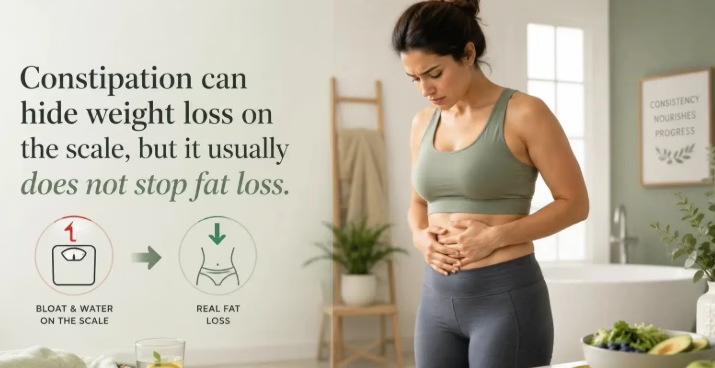
If you’re actively trying to lose weight—especially if you’re using GLP-1 medications like semaglutide or tirzepatide or following a high-protein meal plan—you may notice an unexpected side effect: constipation.Constipation and Weight Loss: Why It Happens and What You Can Do About It
At Slim180, this is one of the most common concerns we hear from clients. The good news? It’s usually manageable with a few simple adjustments and the right support.
Why Does Constipation Happen During Weight Loss?
Several factors can contribute to constipation while losing weight:
1. GLP-1 Medications Slow Digestion
GLP-1 medications work by slowing stomach emptying, helping you feel fuller longer and reducing hunger. While this is beneficial for weight loss, it can also slow the movement of food through the digestive tract, leading to constipation.
2. Eating Less Food Overall
Many clients naturally eat smaller portions when they begin their weight loss journey. Less food moving through the digestive system means less bulk in the stool, which can contribute to slower bowel movements.
3. High-Protein Diets
Protein is essential for preserving muscle and supporting fat loss, but many high-protein foods contain little to no fiber. If protein intake increases without increasing fiber and fluids, constipation can become a problem.
4. Dehydration
Water plays a crucial role in digestion. Even mild dehydration can make stools harder and more difficult to pass.
Signs You May Be Constipated
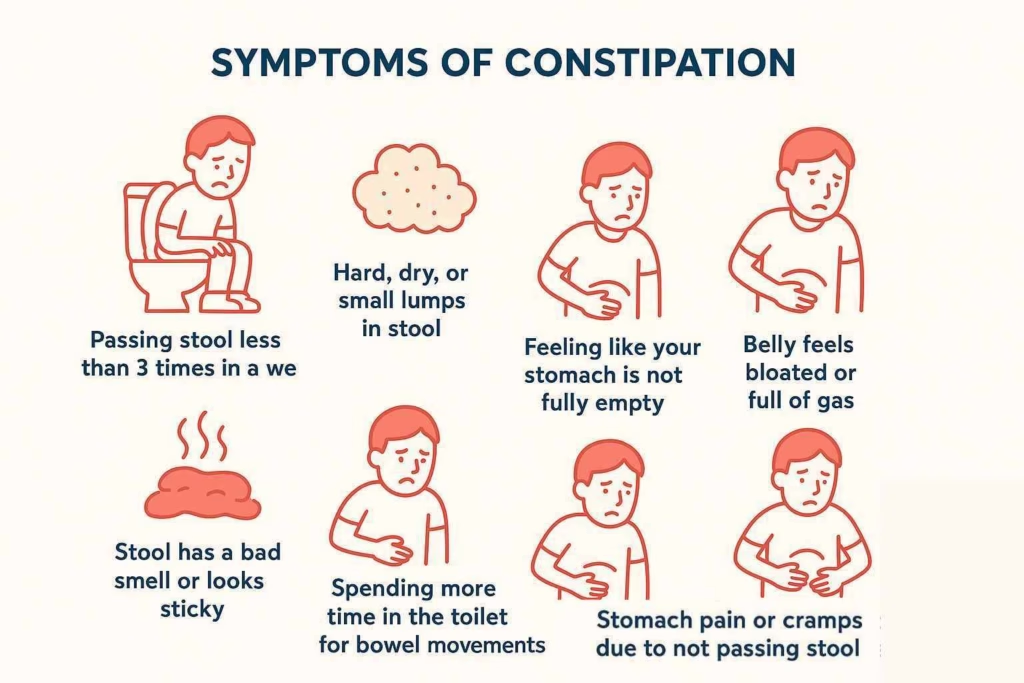
You may be experiencing constipation if you notice:
- Fewer than three bowel movements per week
- Hard, dry stools
- Straining during bowel movements
- Feeling like you haven’t completely emptied your bowels
- Abdominal discomfort or bloating
- Increased gas
Natural Remedies to Help Relieve Constipation
Before reaching for medication, try incorporating some natural solutions into your routine.
Increase Water Intake
This is the first place to start.
Aim for:
- At least 64-100 ounces of water daily
- More if you’re exercising, sweating, or consuming higher amounts of protein
A good rule: Your urine should be pale yellow, not dark yellow.
Eat More Fiber-Rich Foods
Gradually increase fiber to avoid gas and bloating.
Excellent choices include:
- Apples (with skin)
- Pears
- Berries
- Prunes
- Chia seeds
- Ground flaxseed
- Oatmeal
- Vegetables
- Beans and legumes
Slim180 Tip:
Add 1 tablespoon of ground flaxseed or chia seeds to yogurt, oatmeal, or a protein shake.
Try a Baked Apple
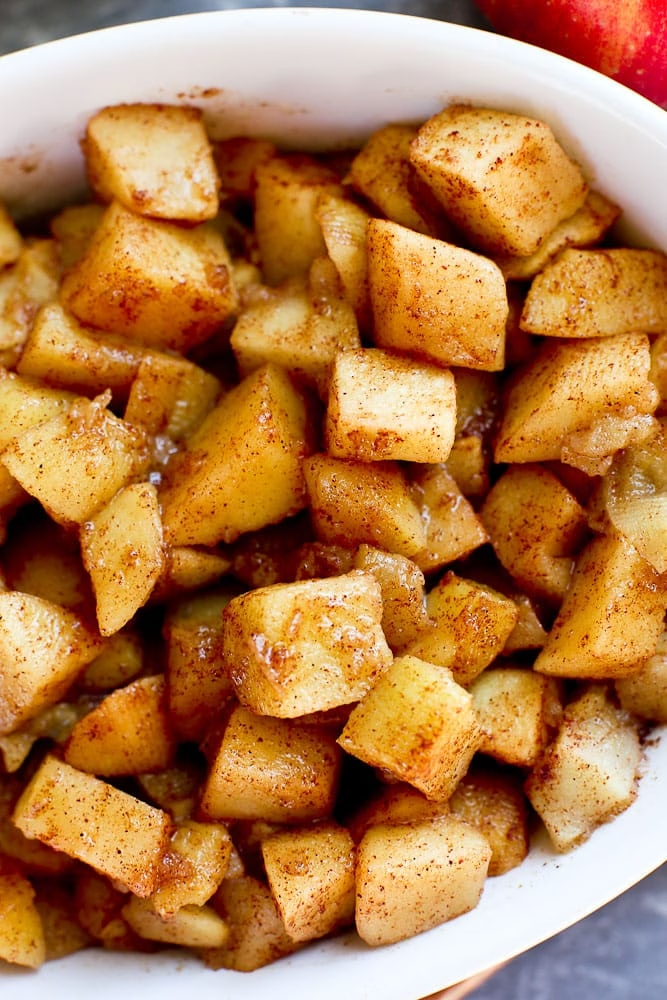
A simple home remedy that many clients find helpful.
Easy Baked Apple Recipe
- 1 apple, sliced
- Sprinkle of cinnamon
- Bake at 350°F for 20-25 minutes
The combination of fiber, natural fruit sugars, and warmth can help stimulate digestion.
Take a Tablespoon of Olive Oil
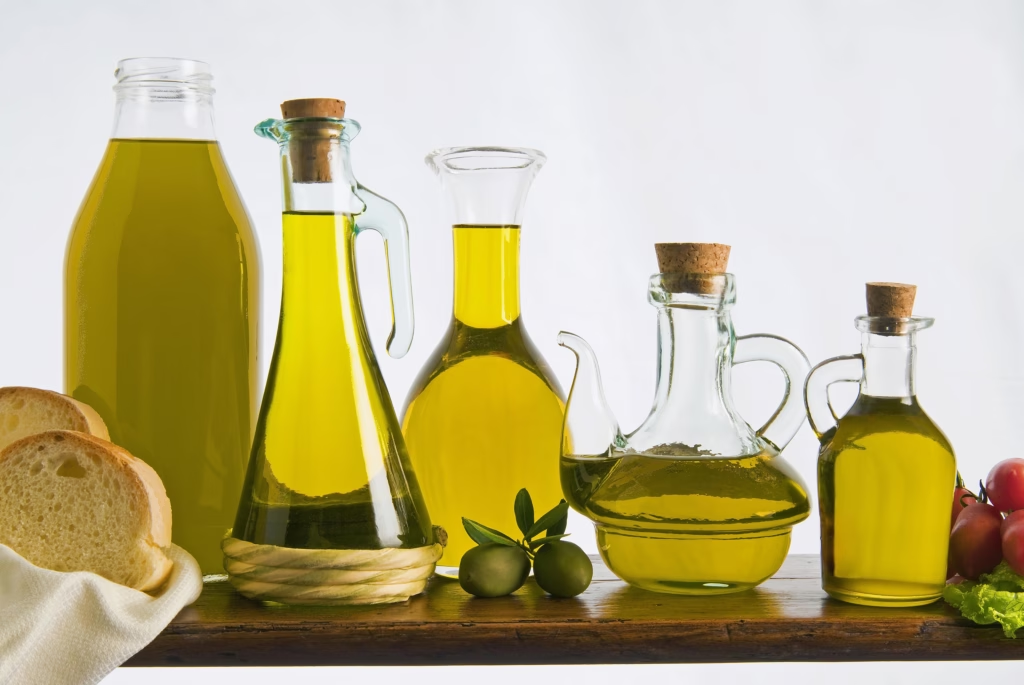
A traditional remedy that may help lubricate the digestive tract.
Try:
- 1 tablespoon extra virgin olive oil in the morning
- Or drizzle olive oil over vegetables and salads
Some people find this helps encourage regular bowel movements.
Drink Warm Beverages
Warm liquids can stimulate intestinal movement.
Options include:
- Warm lemon water
- Herbal tea
- Decaf coffee
- Warm water first thing in the morning
Get Moving
Physical activity helps stimulate the intestines.
Even:
- A 10-20 minute walk
- Light stretching
- Daily movement
can help improve regularity.
Magnesium: A Popular Option
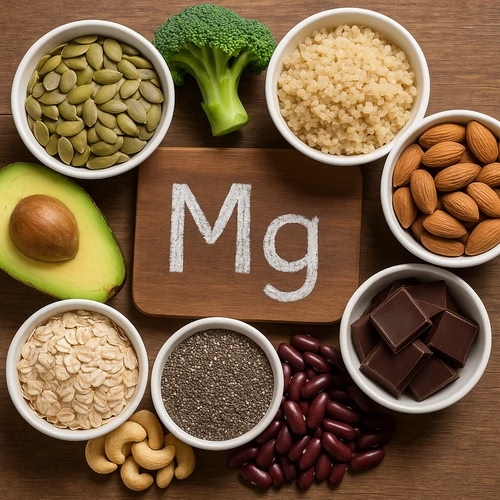
Many clients find magnesium helpful for occasional constipation.
Magnesium Citrate
Often used for short-term relief because it draws water into the intestines.
Magnesium Glycinate
Great for overall wellness and muscle support but generally less effective specifically for constipation.
Magnesium Oxide
A commonly used option for promoting bowel movements.
Always follow label directions and discuss supplements with your healthcare provider if you have kidney disease or other medical conditions.
Over-the-Counter Solutions
If natural remedies aren’t enough, these options may help.
Miralax® (Polyethylene Glycol)
Miralax works by drawing water into the colon to soften stool and promote regular bowel movements.
Benefits:
- Gentle
- Non-stimulant
- Generally well tolerated
- Can be used short-term or as directed by your healthcare provider
Fiber Supplements
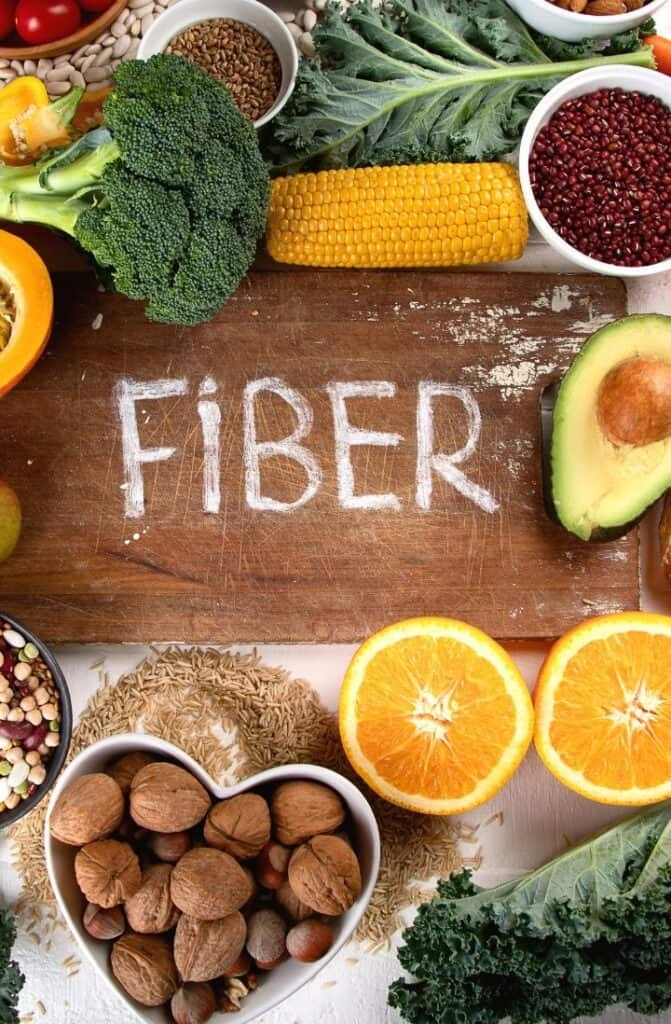
Examples:
- Slim180 Fiber Sticks
- Metamucil®
- Benefiber®
These can help increase stool bulk and improve regularity.
Important:
Always increase water intake when using fiber supplements.
Stool Softeners
Products containing docusate sodium may help soften stools and make bowel movements more comfortable.
When Should You Contact Your Healthcare Provider?
Seek medical advice if you experience:
- Severe abdominal pain
- Vomiting
- Blood in the stool
- No bowel movement for several days despite treatment
- Significant abdominal swelling
- Symptoms that continue to worsen
Slim180 Solutions for Preventing Constipation
At Slim180, we help clients stay ahead of constipation before it becomes a problem by focusing on:
Adequate Protein Balance
Getting enough protein without sacrificing fiber.
Hydration Strategies
Creating realistic daily water goals.
Individualized Nutrition Plans
Including fiber-rich foods that fit your lifestyle.
GLP-1 Support and Coaching
Helping you navigate common side effects while continuing to make progress.
Regular Check-Ins
Adjusting your plan when digestion slows down.
The Bottom Line
Constipation is common during weight loss, especially when using GLP-1 medications or following a high-protein eating plan. Fortunately, most cases improve with proper hydration, increased fiber, movement, and simple remedies like baked apples, olive oil, magnesium, or Miralax when appropriate.
If constipation is slowing you down, don’t ignore it. Small adjustments can make a big difference in how you feel and help keep your weight loss journey moving forward.
Need support with GLP-1 medications, nutrition, or weight loss? Contact Slim180 today for a FREE consultation and personalized plan designed for your success.
