
Nurturing the Mind: How Nutrition Shapes Emotional Well-Being
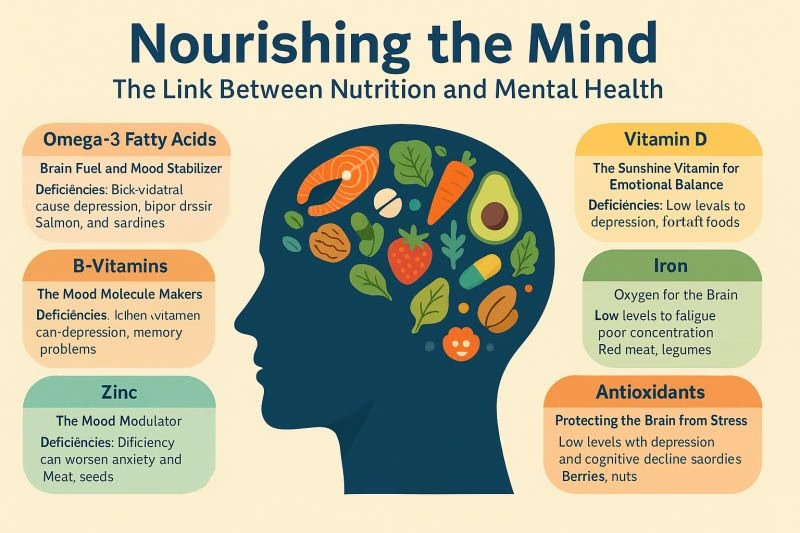
In today’s fast-paced world, emotional well-being is often overlooked in favor of physical health. However, the two are deeply interconnected, with nutrition playing a crucial role in regulating mood and emotions. At Slim180 Weight Loss, we emphasize the importance of emotional wellness and aim to provide valuable insights into how dietary choices can improve your mental and emotional state.
The Connection Between Nutrition and Emotional Health
Research has increasingly shown that what we eat significantly affects our mental health. Nutrients like omega-3 fatty acids, vitamins, and minerals are essential for brain function and can influence mood disorders such as depression and anxiety. A diet lacking in essential nutrients can lead to imbalances that affect emotional stability.
The Role of Macronutrients
Macronutrients, namely carbohydrates, proteins, and fats, serve as the primary fuel for the brain. Carbohydrates, for instance, are crucial for serotonin production, a neurotransmitter that contributes to feelings of well-being and happiness. Consuming complex carbohydrates, such as whole grains, fruits, and vegetables, can help stabilize blood sugar levels and enhance mood.
Micronutrients and Mental Health
Micronutrients, although needed in smaller quantities, are vital for emotional health. Vitamins such as B6, B12, and folate play a role in the production of neurotransmitters. A deficiency in these vitamins can lead to mood swings, fatigue, and depression. Foods rich in these nutrients include leafy greens, fish, and lean meats.
Foods that Boost Emotional Well-Being
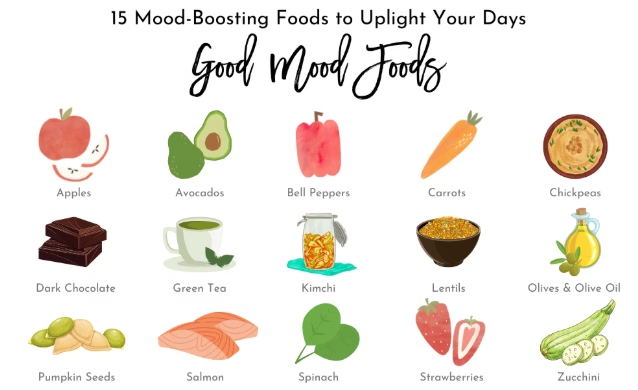
- Fatty Fish: Rich in omega-3 fatty acids, fatty fish like salmon and mackerel can help reduce inflammation and improve mood. Learn more about the benefits of omega-3s.
- Dark Chocolate: Known to enhance mood by increasing endorphin levels, dark chocolate in moderation can be a delicious way to boost emotional health.
- Fermented Foods: Probiotics found in yogurt, kefir, and kimchi promote gut health, which is linked to reduced symptoms of anxiety and depression.
- Nuts and Seeds: High in healthy fats and magnesium, nuts and seeds are excellent for managing stress and supporting brain health.
Simple Dietary Changes for a Happier Life
Implementing small yet meaningful changes in your diet can have a profound impact on your emotional well-being. Consider incorporating more whole, unprocessed foods into your meals and paying attention to how different foods affect your overall well-being. Keep in mind that hydration is also crucial; staying well-hydrated helps maintain energy levels and cognitive function.
Creating a Balanced Diet
To achieve optimal emotional health, strive for a balanced diet that includes:
- Plenty of fruits and vegetables
- Whole grains
- Lean protein sources
- Healthy fats
- Minimal processed foods and sugars
Conclusion
At Slim180 Weight Loss, we understand that emotional wellness is a journey that can be greatly impacted by nutritional choices. By prioritizing a diet rich in essential nutrients, you can foster a more balanced and fulfilling life. For personalized dietary advice and comprehensive services, visit our website to learn more.

